
TL;DR:
- Location-based DJ sets integrate the venue, music, and visuals into a cohesive performance that the setting helps shape. The best sets come from active collaboration with the environment, using techniques like sunset timing and location-specific filming to enhance their impact. Desi and Angelina of THE GURLZ exemplify this approach by filming, mixing, and editing every set themselves, ensuring the venue stays central to the final experience.
A location-based DJ set is a performance built around a specific place, where the venue, its light, its textures, and its sounds become part of the music experience itself. The industry term for the broader format is a site-specific performance, and the best ones treat location as a co-creator, not a backdrop. From volcanic crater rims to medieval castle walls, the examples of location-based DJ sets released in recent years show how far the format has pushed. THE GURLZ, a wifey DJ duo who film, mix, and edit every set themselves, helped define this approach with Bass & Breakz at Sunset Cliffs and continue it with House in the Wild.
1. What are the best examples of location-based DJ sets?
The strongest site-specific DJ sets share one quality: the location is inseparable from the music. Remove the setting and the performance loses its meaning. The list below covers standout releases across historic sites, natural environments, and open-air venues, each one showing a different way place shapes sound and vision.
2. Massano at Jaigarh Fort, Jaipur
Massano’s 90-minute set at Jaipur’s Jaigarh Fort is one of the most cited examples of cinematic location-based production in 2026. The set was filmed in 4K at an 18th-century hilltop fort, with drone cinematography tracking the sunset as it moved across the stone battlements. Melodic techno was the genre choice, and it matched the slow burn of fading light over the Aravalli hills.
The production team synchronized color grading with the natural light shift from golden hour to dusk. That decision made the edit feel like a single continuous visual piece rather than a DJ set with camera cuts. The architecture provided natural framing that no studio set could replicate.
Pro Tip: When shooting at a historic site, plan your set start time around the sun’s position. The light does work that no lighting rig can match.
3. Pete Tong’s Ibiza Classics at Lincoln Castle
Pete Tong’s Ibiza Classics at Lincoln Castle is a different kind of location-based DJ performance. The medieval castle walls created a natural amphitheater, and the orchestral backing gave the set a scale that matched the architecture. Club culture met heritage in a way that pulled in audiences who had never attended a traditional electronic music event.
The set demonstrated that location-specific DJ performances do not require remote or exotic settings. A well-chosen historic venue in a city center carries the same weight when the production respects the space. The castle’s stone acoustics shaped the low-end response in ways that changed how the crowd experienced familiar tracks.
4. DJ Adipati at Karaha Bodas crater rim
DJ Adipati’s set at Karaha Bodas is one of the most extreme natural environment performances on record. The crater rim in West Java sits above active geothermal vents, and the volcanic steam hiss became a natural ambient layer woven into the mix. Forest ambiance surrounded the setup, creating an ASMR-like texture beneath the music.
This is what separates a truly site-specific release from a set that simply happens outdoors. The environment contributed sound, not just visuals. The result was an immersive experience that could not be recreated on a stage.
Pro Tip: In natural settings with strong ambient sound, choose tracks with space in the mid-range. Let the environment fill the gaps instead of fighting them.
5. Carl Cox at Brighton Beach
Carl Cox’s vinyl-only set at Brighton on the Beach released as a full-length stream on YouTube. The English Channel provided a constant visual and sonic backdrop. The choice to go vinyl-only was deliberate. It matched the analog texture of the beach setting and gave the set a warmth that digital formats rarely carry outdoors.
Long-form sets like this one work in natural environments because the crowd has time to settle into the space. The energy builds slowly, the way a tide does. That pacing is a production decision as much as a musical one.
6. THE GURLZ: Bass & Breakz at Sunset Cliffs
THE GURLZ started their audio-visual set format with Bass & Breakz at Sunset Cliffs. Desi and Angelina filmed, mixed, and edited the entire set themselves. The visuals came from the cliffs, the water, the light at that specific time of day. Nothing was added in post that did not exist in the location.
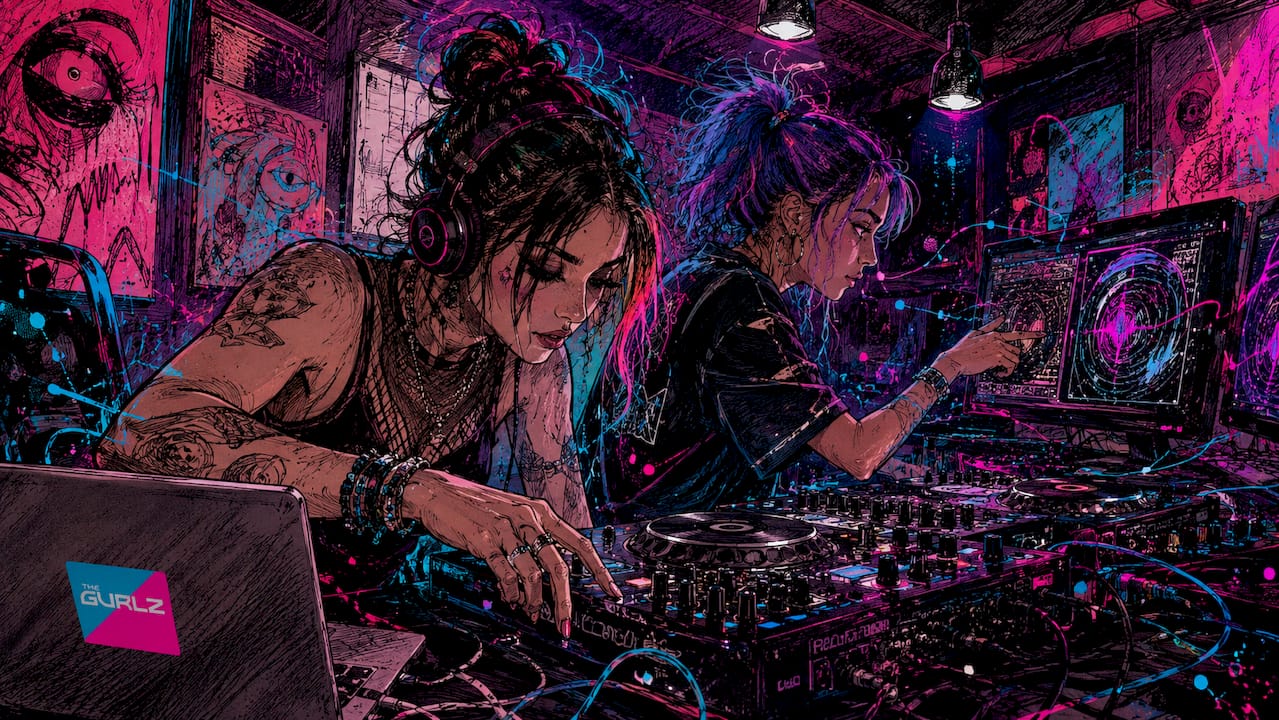
The music moved through drum and bass, breakbeats, and bass-heavy electronic music. The edit followed the music closely, cutting on rhythm and energy rather than on a fixed visual script. That approach made the set feel alive in a way that pre-produced visual packages rarely do.
7. THE GURLZ: House in the Wild
House in the Wild continues the format THE GURLZ built at Sunset Cliffs. The setting shifted, the genre shifted to house, and the visual language adapted to match. Every release THE GURLZ produce takes shape differently because the location drives the decisions. You can read more about how they build each set on THE GURLZ blog.
The consistency across both releases is the method: live mix, real location, filmed and edited by the duo. No outside production crew. No pre-rendered visual loops disconnected from the music.
8. Production techniques that define location-based sets
The technical side of site-specific DJ performances separates good releases from great ones. Cinematic production techniques like 4K video, drone aerials, and sunset synchronization create visual narratives that are anchored in the venue itself. These are not decorative choices. They are structural ones.
SMPTE timecode and safety playlists allow DJs to synchronize music with visuals and pyrotechnics in large-scale location-based performances. When physical distance limits live interaction between the DJ and the visual team, pre-rendered timecode keeps everything locked. This is standard practice for any set where the visual component runs on a separate system.
| Challenge | Outdoor venues | Indoor venues |
|---|---|---|
| Acoustics | Low-frequency loss; midrange focus needed | Reverb buildup; simpler arrangements work better |
| Lighting | Natural light changes; sunset timing is an asset | Controlled lighting; full creative flexibility |
| Wind and weather | Affects audio quality and equipment | No weather risk |
| Visual backdrop | Environment provides natural depth | Requires constructed set design |
| Crowd energy | Slower to build; wide physical spread | Faster feedback loop; tighter crowd |
Open-air venues require sound checks focused on midrange and percussion frequencies to counteract low-frequency loss. That is not a minor adjustment. It changes which tracks work and which ones fall flat in the mix.
9. Genres and styles that work best in location-based sets
Genre selection is not separate from location selection. The two decisions are connected. The following styles have proven to work across different types of site-specific releases:
- Melodic techno and tech house suit sunset and golden-hour settings. The slow harmonic movement matches the pace of changing light.
- Drum and bass and breakbeats carry well outdoors because the percussion cuts through ambient noise. THE GURLZ use this to strong effect at Sunset Cliffs.
- Vinyl-only and long-form sets connect with outdoor festival crowds because the pacing mirrors the physical experience of being in an open space.
- Ambient and natural soundscape blends work in environments with strong natural audio, like forests, coastlines, or volcanic terrain.
- House and tribal rhythms adapt to a wide range of natural and architectural settings because the groove is consistent and crowd-readable.
Crowd reading in large outdoor settings shifts from direct individual interaction to managing collective energy waves. A DJ at a beach or a fort is not reading faces. They are reading the movement of a crowd spread across a wide physical space. That requires a different skill set than a club set. DJs who treat the venue as a cultural narrative tool match their musical moods to the environment and deliver a more cohesive experience for the audience.
Key takeaways
Location-based DJ sets succeed when the venue, music, and visuals are built as a single piece, not assembled separately after the fact.
| Point | Details |
|---|---|
| Location is a co-creator | The setting shapes sound, light, and energy in ways no studio can replicate. |
| Production technique matters | 4K video, drone shots, and sunset timing create visual narratives tied to the venue. |
| Genre must match environment | Melodic techno suits golden-hour sets; drum and bass and breakbeats carry well outdoors. |
| Sound checks are venue-specific | Outdoor sets need midrange and percussion focus to compensate for low-frequency loss. |
| THE GURLZ set the format | Bass & Breakz at Sunset Cliffs and House in the Wild define the in-house audio-visual method. |
THE GURLZ on why location is not optional
The thing most people miss about site-specific sets is that location is not a setting you choose after the music is done. It is the first decision. When Desi and Angelina shot Bass & Breakz at Sunset Cliffs, the cliffs told them what the energy needed to be. The light told them when to start. The water told them how to pace the edit. None of that came from a mood board.
What we have noticed across every set we have released is that the audience feels the difference between a set filmed at a location and a set made from a location. The first one looks good. The second one feels like something. That gap is everything.
The production side is not glamorous. Filming, mixing, and editing yourself means you are carrying gear, watching the sun, and cutting footage at 2 a.m. But it also means no one else is making decisions about what the set becomes. The location and the music stay connected all the way through to the final edit. That connection is what makes the audio-visual set format worth doing.
— THE GURLZ OFFICIAL
THE GURLZ audio-visual sets: watch the format in action
THE GURLZ build every set from the ground up. Desi and Angelina film, mix, and edit each release themselves, starting with Bass & Breakz at Sunset Cliffs and continuing with House in the Wild. The music is always mixed live. The visuals always come from the location.
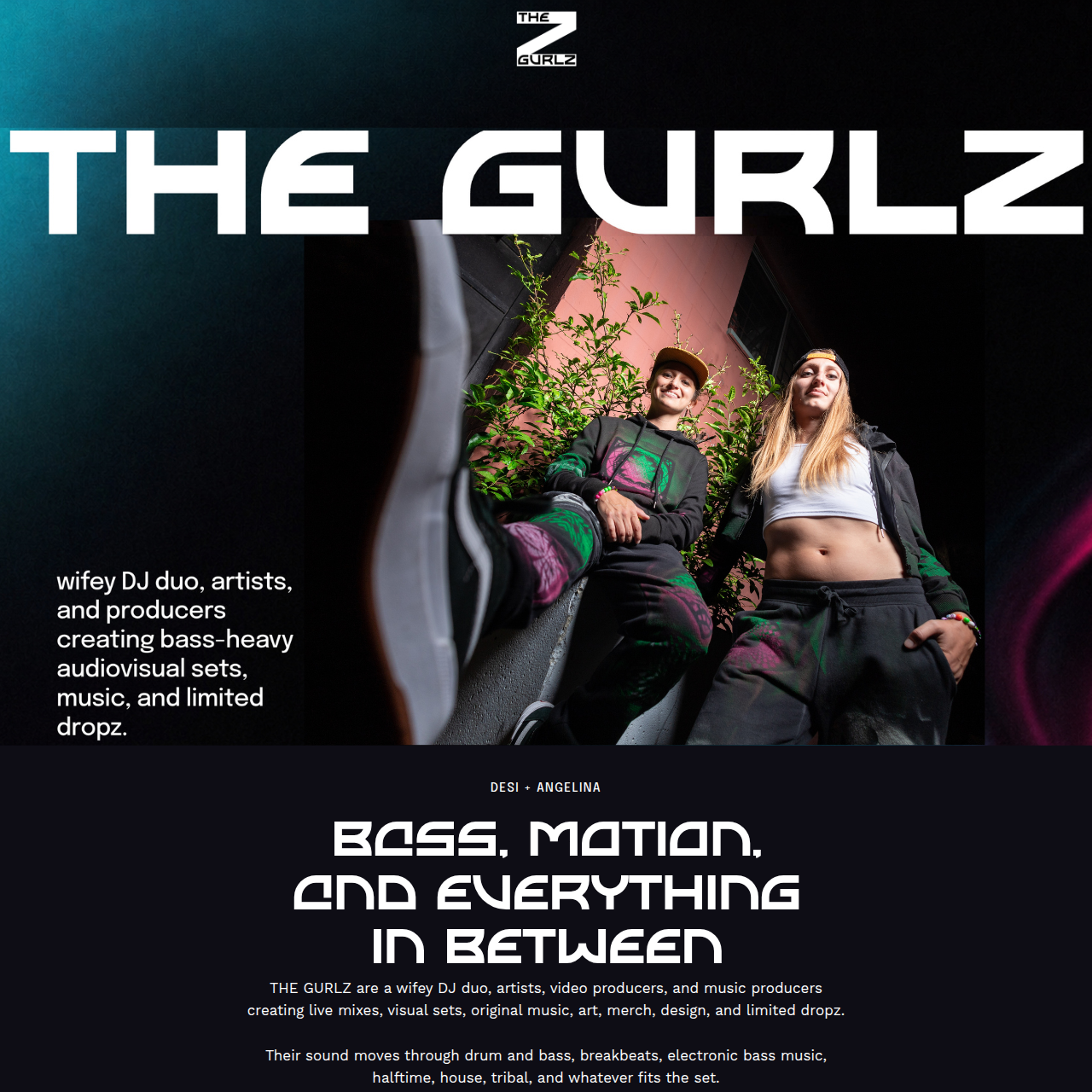
If you want to see what a location-built audio-visual set actually looks and sounds like, the full releases are on the official site. More sets are already in production, and original music from their studio is coming. Follow along for new drops and behind-the-scenes content.
IG: @thegurlzmusic, main social for behind-the-scenes and exclusive content
TikTok: @thegurlzofficial
Youtube: @TheGurlzOfficial
SoundCloud: https://soundcloud.com/thegurlz
www.thegurlzofficial.com
FAQ
What is a location-based DJ set?
A location-based DJ set is a live performance filmed and mixed at a specific venue, where the setting shapes the music, visuals, and overall experience. The industry term for this format is a site-specific performance.
Why does location matter in a DJ set?
Location affects acoustics, lighting, visual depth, and crowd energy in ways a studio or club cannot replicate. DJs who treat the venue as a narrative tool deliver more cohesive and memorable experiences.
What genres work best for outdoor location-based sets?
Melodic techno, drum and bass, breakbeats, and house all perform well outdoors. Percussion-heavy and midrange-focused tracks cut through ambient noise better than bass-heavy low-end arrangements.
How do DJs sync music with visuals in large location sets?
Many large-scale location-based performances use SMPTE timecode or safety playlists to keep music and visuals locked when physical distance limits live coordination between the DJ and the visual team.
What makes THE GURLZ sets different from other location-based releases?
THE GURLZ film, mix, and edit every set themselves with no outside production crew. The visuals come directly from the location and the time spent there, keeping the music and the environment connected through every stage of production.


