
TL;DR:
- Tribal bass music combines organic instruments and deep sub-bass frequencies to support flow states in movement practices. Its complex polyrhythms and gradual build foster physical grounding and rhythmic focus for dance, yoga, and flow arts. High-quality sound systems enhance the immersive experience, while intentional set structures deepen movement exploration.
What is tribal bass music for flow movement?
Tribal bass music is a fusion of organic instrumentation and deep sub-bass frequencies, built specifically to anchor flow states in dance, yoga, and movement meditation. It is not simply bass music with ethnic samples dropped on top. The genre pulls from ancient rhythmic traditions and rebuilds them with modern sound design, creating something that feels both primal and forward-moving.
Key characteristics of the genre:
- Instruments: tabla, ney, handpan, shamanic drums, and frame drums provide the organic pulse
- Bass design: heavy sub-bass frequencies tuned to physically resonate with the body
- Tempo: typically
with syncopated, polyrhythmic grooves rather than straight four-on-the-floor patterns
- Subgenres: PsyDub, GlitchHop, world bass, raga-bass, ethnic trap, and deep-step all fall under the tribal bass umbrella
- Function: downtempo, repetitive rhythms act as a sonic metronome for movement and meditation
Artists like Azmyth, Ben Drexler, and THE GURLZ represent different entry points into this space, from ecstatic dance facilitation to fully produced audiovisual sets. The cultural roots run deep, connecting West African drumming, South Asian classical rhythm, and Middle Eastern melodic traditions to contemporary electronic bass production.
How tribal bass music supports flow states in yoga, dance, and flow arts
Flow states emerge from total immersion and heightened focus, and repetitive deep bass beats are one of the most reliable triggers. The steady pulse gives the nervous system something to lock onto, freeing the mind from conscious decision-making and letting the body move from instinct.
Polyrhythmic percussion does something specific for flow arts practitioners. Instruments like tabla and handpan create layered sonic markers at different points in the measure, giving hoopers, poi spinners, and contact staff performers clear audible cues to map their movements against. This is why flow artists favor mid-tempo tracks with complex rhythmic texture over simply fast BPM.
Intentional dynamic shifts within tracks create critical windows for high-dexterity moves. A break or an ethereal melody section gives the body a moment of focus before the bass drops back in and rewards the movement with energy. That push-pull structure is what separates tribal bass from background music.
Azmyth, a Bay Area ecstatic dance facilitator, describes building sets that arc through “bouncy playfulness, sensual grinding, and ethereal expansion,” each phase designed to help dancers explore both physical and emotional range. That intentional journey structure is what makes tribal bass sets work for movement practices rather than just listening.
How immersive tribal bass sets are produced and performed
The production approach matters as much as the music itself. DJs craft flow-ready sets by starting with slower ambient layers, then gradually introducing sub-bass to avoid jarring the nervous system early. Dropping heavy bass in the first few minutes breaks the flow state before it forms.
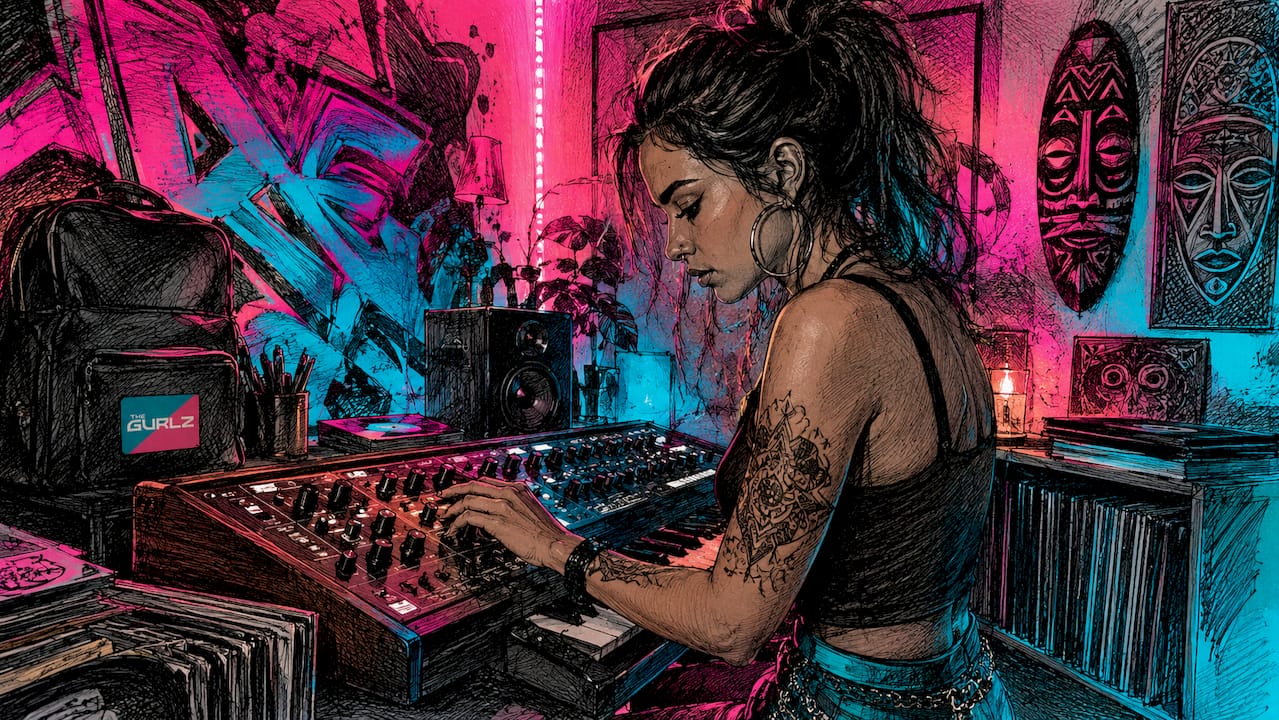
Sound system quality shapes the physical experience directly. Bass Coast festival runs a kinetic club-inspired stage featuring PK Sound, prioritizing deep sub-bass frequencies that listeners feel in the body, not just hear. Systems like Funktion One are built around the same principle: sub-bass as a grounding force, not just a sonic layer.
Pro Tip: When building or selecting a tribal bass set for movement, treat the first 10 minutes as a warm-up ramp. Start with texture and atmosphere, introduce the bass gradually, and let the body acclimate before the full weight of the low end arrives.
THE GURLZ take the production model further. Desi and Angelina produce, film, mix, and edit every set themselves. The music is mixed live. The visuals come from the location, the light, and the world around the set. Their audiovisual DJ sets started with Bass & Breakz at Sunset Cliffs and continued with House in the Wild, each release pushing the format further. No two sets look or sound the same.
The track “Bass Ritual” by Bloomurian, David Starfire, Nizhoni, and Māh Ze Tār is a clear example of how organic and electronic elements fuse in this genre. Handpan and ney were recorded live, then layered with deep electronic beats to create something that works equally well in a yoga class, an ecstatic dance set, or a festival stage.
How to find and experience tribal bass music for flow movement
Finding quality tribal bass music takes more than a single playlist search. The genre lives across several platforms and communities, and the best material often comes from independent labels and artist-run channels.
- Bandcamp: Labels like Unfinished Monkey Records release dedicated tribal bass compilations, including the Tribal Bass III: Into The Flow collection
- SoundCloud: Artist mixes from ecstatic dance DJs and flow arts practitioners tend to be longer, journey-style sets built for movement
- YouTube: Audiovisual sets from artists like THE GURLZ offer both the music and the visual context that deepens the experience
- Festival communities: Bass Coast and similar independent festivals curate lineups specifically around this sound
Pro Tip: Match your music selection to your movement phase. Use ambient, lower-energy tracks for warm-up and stretching, introduce mid-tempo tribal rhythms for active flow, and save the heaviest bass sections for peak movement or ecstatic dance.
For yoga and meditation, look for tracks in the 90–110 BPM range with prominent handpan or ney melodies sitting above the bass. For ecstatic dance or flow arts, the 120–140 BPM range with polyrhythmic percussion gives the body more to work with. Finding original bass music built for movement takes some digging, but the depth of what exists in this space rewards the search.
THE GURLZ’s sets on SoundCloud and YouTube are a direct entry point. Their sound moves through drum and bass, breakbeats, tribal, and halftime, and the audiovisual format means the music is always paired with something worth watching.
How tribal bass compares to related genres for flow and movement
Tribal bass sits in a specific position relative to other genres used in movement practices. Understanding where it differs helps listeners find the right sound for their practice.
Psytrance runs at 140–150 BPM and prioritizes hypnotic repetition, but the high tempo and lack of sub-bass weight makes it better for sustained cardio movement than grounded flow arts. Downtempo and ambient music creates meditative space but often lacks the rhythmic specificity that flow artists need to anchor their movements. House music offers a steady four-on-the-floor pulse that works well for ecstatic dance, but without the ethnic instrumentation and sub-bass depth, it does not carry the same grounding quality.
Tribal bass occupies the middle ground. The tempo is accessible, the rhythms are complex enough to be interesting, and the sub-bass frequencies create physical resonance that other genres at similar tempos do not produce. The BPM range for dancers in tribal bass also makes it one of the most versatile options across yoga, flow arts, and ecstatic dance.
Key Takeaways
Tribal bass music works for flow movement because it combines physical sub-bass resonance with polyrhythmic organic instrumentation, giving the body both a grounding force and clear rhythmic cues to move against.
| Point | Details |
|---|---|
| Tempo range | Tribal bass typically runs at a moderate tempo range supporting clear movement mapping without overwhelming speed. |
| Organic instruments | Tabla, handpan, and ney provide layered rhythmic markers that flow artists use to anchor and time their movements. |
| Set structure | Effective sets start ambient and layer in sub-bass gradually, preserving the flow state from the first minutes. |
| Sound system quality | Deep sub-bass frequencies require high-fidelity systems like Funktion One or PK Sound to deliver full physical grounding. |
| THE GURLZ approach | Desi and Angelina produce, film, mix, and edit every audiovisual set themselves, pairing live music with location-based visuals. |
FAQ
What music is best for flow state?
Mid-tempo tracks with steady, repetitive bass beats and complex polyrhythmic percussion work best for flow states. Tribal bass music typically in the 100–140 BPM range gives the body clear rhythmic cues while the sub-bass frequencies support physical grounding and immersion.
What is the most powerful bass in tribal bass music?
Tracks like “Bass Ritual” by Bloomurian, David Starfire, Nizhoni, and Māh Ze Tār combine live handpan and ney recordings with deep electronic sub-bass, producing some of the most physically resonant bass in the genre.
What songs have low-frequency bass suited for movement?
Tribal bass tracks built with sub-bass design, particularly those using Funktion One or PK Sound-calibrated mixes, deliver the lowest usable frequencies for movement practices. The Tribal Bass III: Into The Flow compilation is a strong starting point.
What makes tribal bass different from regular bass music for yoga?
Tribal bass adds organic instrumentation and multicultural rhythmic traditions to the sub-bass foundation, creating a layered sonic texture that supports both meditative stillness and active movement in ways that straight electronic bass music typically does not.
IG: @thegurlzmusic, main social for behind-the-scenes and exclusive content
TikTok: @thegurlzofficial
Youtube: @TheGurlzOfficial
SoundCloud: https://soundcloud.com/thegurlz
www.thegurlzofficial.com
Recommended
- Bass Music Tempos for Dancers: The Complete BPM Guide – ☀︎THE GURLZ ☽ – WIFEY DJ DUO / ARTISTS / PRODUCERS
- Bass Music Production Styles Compared: 2026 Guide – ☀︎THE GURLZ ☽ – WIFEY DJ DUO / ARTISTS / PRODUCERS
- Bass Music Festival Culture Explained: Your 2026 Guide – ☀︎THE GURLZ ☽ – WIFEY DJ DUO / ARTISTS / PRODUCERS
- Bass-Driven Dance Music: What Festival-Goers Need to Know – ☀︎THE GURLZ ☽ – WIFEY DJ DUO / ARTISTS / PRODUCERS


