
Women DJs Breaking Bass Music Barriers: Who to Know
TL;DR:
- Women DJs are gaining ground in bass music by owning their labels, building underground fanbases, and blending genres. They are redefining success through independence, technical skill, and creative ownership rather than waiting for mainstream recognition. This shift shows progress in industry representation, pay equity, and cultural influence.
Women DJs breaking bass music barriers are reshaping electronic music from the inside out. This is not a trend. It is a structural shift. Only 22% of DJs booked at clubs and festivals are women or non-binary, and women hold just 15% of spots in the Top 100 DJs. That gap is real. But artists like Reid Speed, Stemmily, and Vampa are not waiting for permission. They are building labels, owning their sound, and pulling audiences into bass music on their own terms.
1. What strategies are women DJs using to break through in bass music?
The most effective path for female DJs in bass music runs through independence, not through mainstream gatekeepers. Artists who build their own labels, tour underground circuits, and grow direct fanbases outlast those who chase commercial validation.
Underground residencies and club circuits give women consistent stage time and real audience feedback. That repetition builds confidence, sharpens mixing skills, and creates loyal communities that follow artists across platforms and cities.
Digital platforms amplify what the underground builds. SoundCloud, Bandcamp, and Instagram let artists release music directly to fans without label approval. Reid Speed and Stemmily both used this model to sustain multi-decade careers with creative control intact.
Key strategies that work:
- Own the label. Women-led labels give artists creative control and bypass traditional gatekeeping entirely.
- Play the underground. Residencies and local club nights build real fanbases faster than one-off festival slots.
- Release consistently. Regular drops on SoundCloud and Bandcamp keep audiences engaged between live sets.
- Build in public. Behind-the-scenes content on Instagram and TikTok turns listeners into invested followers.
- Collaborate intentionally. Working with other women in bass music creates cross-audience exposure and community.
Pro Tip: Post your mix process, not just the finished set. Fans who watch you build something are more likely to show up when you play live.
2. Who are the top women DJs pushing bass music boundaries today?
Several female bass music artists are not just participating in the scene. They are defining it.
Reid Speed is the clearest example of long-term independent success. Her label, Play Me Records, has released over 400 tracks across 15 years and launched careers for dozens of bass music artists. She plays drum and bass, dubstep, and everything between, and she does it without compromising her sound for commercial appeal.
Stemmily built her reputation through underground drum and bass circuits before winning major DJ competitions. Her technical precision and genre fluency made her a standout in a scene that rewards both skill and identity.
Vampa brings a darker, more industrial edge to bass music. Her sets move through heavy dubstep and experimental bass with a confidence that has earned her spots on major festival lineups. She represents a growing wave of women who are not softening their sound to fit expectations.
Jaz Imsky is one of the most talked-about emerging voices in bass music right now. She transitioned into heavier bass styles and darker dubstep in 2026, earning placement with major bass labels and building serious traction across streaming platforms.
“Women are moving from support roles to center stage, dictating their own creative direction and creating platforms for others.” — AFEM editorial, Downtown Music
These artists share a common thread. They did not wait for the industry to make space. They made it themselves.
3. How genre innovation helps women DJs thrive in bass music
Genre blending is one of the most powerful tools female bass music artists use to grow their reach. Artists who move between drum and bass, dubstep, melodic bass, and halftime attract wider audiences without losing their core identity.
Jaz Imsky’s move into darker dubstep is a direct example. Her shift toward heavier bass sounds increased audience engagement and placed her in front of listeners who had never heard her before. Genre flexibility is not a compromise. It is a growth strategy.
Vampa applies the same logic differently. Her sets pull from industrial textures and experimental bass, creating a sound that does not fit neatly into one category. That ambiguity draws curious listeners and keeps sets unpredictable in the best way.
The underground scene rewards this kind of experimentation. Smaller venues and club nights give artists room to test new sounds without the pressure of festival-sized expectations. That freedom is where the most interesting bass music is being made right now.
- Drum and bass provides the rhythmic foundation many female artists build from.
- Dubstep and heavy bass add weight and intensity that drive crowd energy.
- Melodic bass opens the sound to emotional range without losing power.
- Halftime creates space and tension, a signature of artists like Vampa.
- House and tribal elements add groove and cultural texture to sets.
- Breakbeats connect bass music to its roots while keeping the sound fresh.
The artists who move across these styles are the ones building the most durable careers. Audiences follow sound, and women in bass music are giving them sounds worth following.
4. What barriers remain for women DJs in bass music?
The booking gap is the most visible barrier. Women represent only 22% of DJs booked at clubs and festivals. That number has moved slowly despite years of public conversation about representation. Slow progress means the structural problem is still active.
Pay inequity runs alongside the booking gap. Female artists frequently receive lower fees than male counterparts with comparable experience and draw. This is not speculation. DJ Rap, a pioneer in drum and bass, has spoken directly about equal pay and integrated lineups as the actual goal, not women-only showcases that keep female artists in a separate category.
| Barrier | How women are overcoming it |
|---|---|
| Low booking rates | Building underground residencies and direct fan relationships |
| Pay inequity | Negotiating from a position of proven draw and label ownership |
| Gatekeeping by promoters | Launching women-led labels and self-promoted events |
| Lack of technical training | Attending women-only production workshops and Ableton programs |
| Isolated “women-only” lineups | Pushing for integrated bookings with equal billing and pay |
Women-only production workshops are closing the technical gap faster than most people realize. Specialized Ableton training programs designed for women reduce intimidation and build foundational DJ and production skills that lead directly to festival bookings. Confidence in the studio translates to confidence on stage.
The deeper shift is cultural. Women are launching their own labels and brands, creating platforms that do not require approval from the existing power structure. That is not a workaround. That is a rebuild.
Pro Tip: If you are an emerging female DJ, apply to women-focused production programs before you apply to festivals. The technical foundation you build there will make every booking conversation easier.
Key takeaways
Women DJs are breaking bass music barriers by owning their labels, mastering genre fluidity, and building fanbases through underground circuits rather than waiting for mainstream validation.
| Point | Details |
|---|---|
| Booking gap persists | Women hold only 22% of DJ bookings at clubs and festivals globally. |
| Independence is the strategy | Label ownership and underground touring give female artists creative control and career longevity. |
| Genre blending drives growth | Artists like Jaz Imsky and Vampa expand their reach by moving across drum and bass, dubstep, and experimental bass. |
| Training closes the gap | Women-only production workshops build technical skills that lead directly to more bookings. |
| Integration beats isolation | Equal pay and mixed lineups, not women-only showcases, signal real industry progress. |
What THE GURLZ see that most people miss
The conversation about women in bass music often focuses on representation numbers. That matters. But the more interesting story is what happens when female artists stop asking for a seat at the table and start building a different table entirely.
Desi and Angelina of THE GURLZ have done exactly that. Their audio-visual DJ sets are not just performances. They are produced works. Every set is filmed, mixed, and edited by THE GURLZ. The visuals come from the location itself. The music is mixed live. Nothing is outsourced. That level of creative ownership is what the next generation of female bass music artists is moving toward.
The artists who will define bass music over the next decade are not the ones waiting for festival lineups to diversify. They are the ones releasing music on their own terms, building visual identities, and creating experiences that cannot be replicated by anyone else. Reid Speed did it with Play Me Records. Vampa does it with her sound design. THE GURLZ do it with every set they film and release.
Tokenism is easy to spot. One woman on a lineup of twenty is not progress. It is optics. Real progress looks like Stemmily winning competitions on merit, Jaz Imsky landing major label placements through her sound, and THE GURLZ building an entire creative world around bass music that belongs entirely to them.
Support the artists who are building something real. Show up to their sets. Follow their releases. That is how the culture actually shifts.
— THE GURLZ OFFICIAL
THE GURLZ: bass music, visuals, and no rules
THE GURLZ are Desi and Angelina, a wifey DJ duo and artists creating bass music experiences that go beyond the standard set.
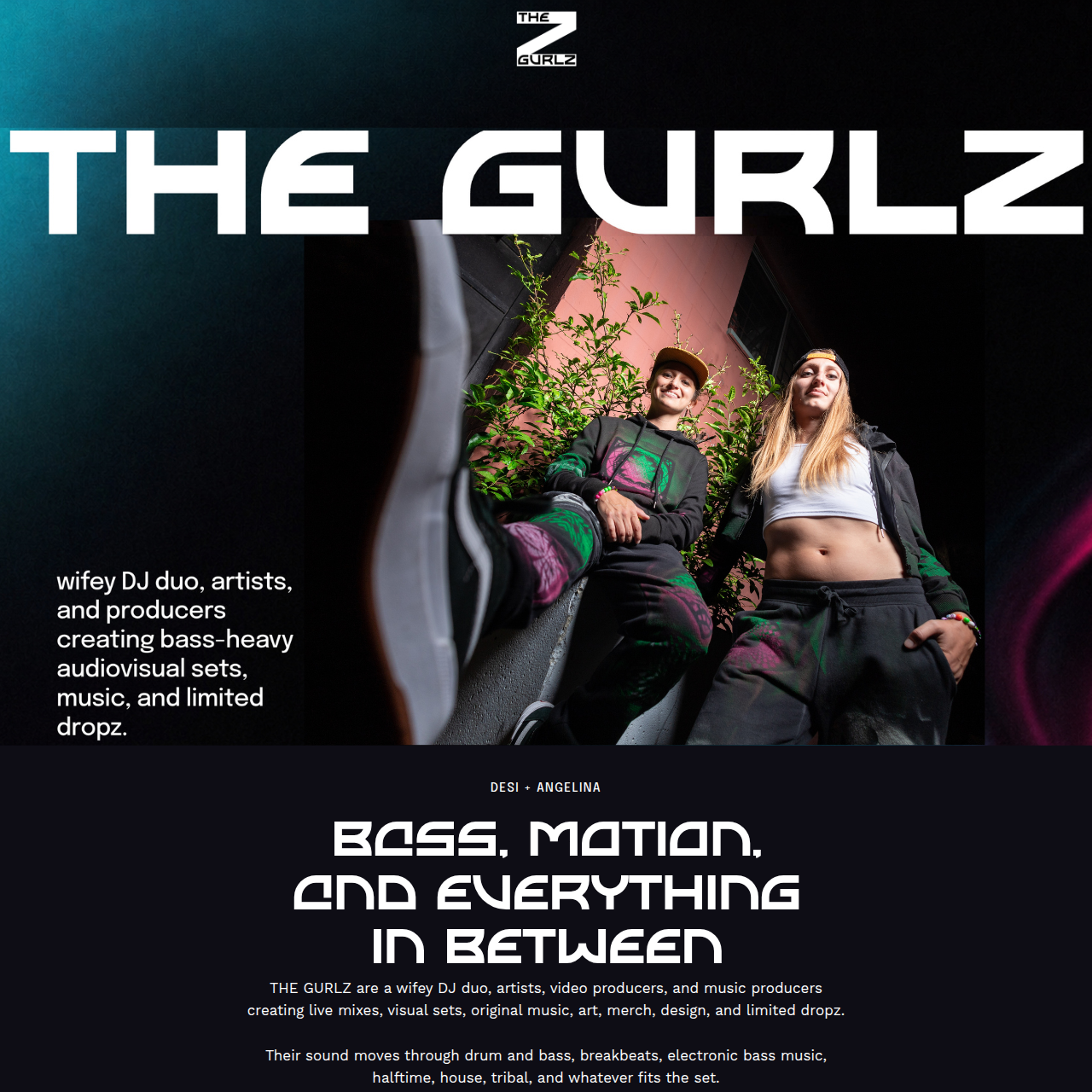
Their sound moves through drum and bass, breakbeats, halftime, house, and tribal. Their sets are produced, filmed, mixed, and edited entirely by THE GURLZ. Bass & Breakz at Sunset Cliffs started the format. House in the Wild pushed it further. Every release is different. Every one is theirs. Original music from their studio is coming soon. Explore THE GURLZ live sets and music and see what bass music looks like when it has a visual world built around it.
IG: @thegurlzmusic, main social for behind-the-scenes and exclusive content
TikTok: @thegurlzofficial
Youtube: @TheGurlzOfficial
SoundCloud: https://soundcloud.com/thegurlz
www.thegurlzofficial.com
FAQ
Who are the most influential women in bass music right now?
Reid Speed, Stemmily, Vampa, and Jaz Imsky are among the most recognized female bass music artists in 2026. Reid Speed’s label Play Me Records alone has released over 400 tracks and shaped the careers of many bass music artists.
Why are women underrepresented in DJ bookings?
Women make up only 22% of DJ bookings at clubs and festivals. Structural gatekeeping, pay inequity, and limited access to technical training are the primary causes.
Do women-only DJ workshops actually help?
Women-only production workshops build foundational skills and reduce intimidation in technical environments. Artists who complete these programs report stronger confidence and better booking outcomes.
Is genre blending a real career strategy for female DJs?
Genre blending is one of the most effective ways female bass music artists grow their audiences. Artists like Jaz Imsky expanded their reach significantly by moving into heavier dubstep and experimental bass styles.
What does real progress look like for women in bass music?
DJ Rap defines it clearly: equal pay and integrated lineups, not isolated women-only showcases. Progress means female artists booked on merit, paid equally, and positioned as headliners alongside anyone else.


